
 Back to the Future Part II
 The Social Network
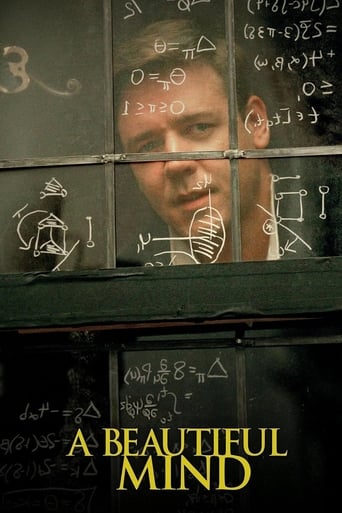 A Beautiful Mind
 Jurassic Park
 Jumanji
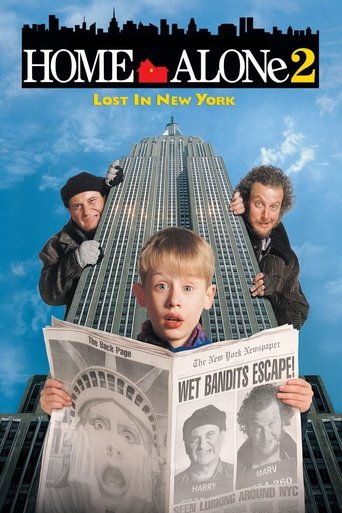 Home Alone 2: Lost in New York
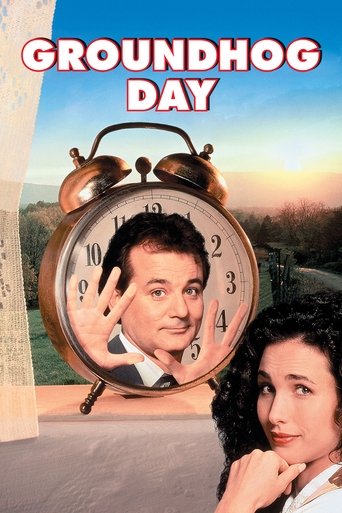 Groundhog Day
 Jumanji: The Next Level2019 · ★ 6.9
DailyFlix: a movie for every day of the week, from Groundhog Day, Jurassic Park and Notting Hill to The Social Network, Paddington and CODA, and where to watch them
182 films, seven a week for twenty-six weeks, each with its cast, its director and a Watch now button.
This week on DailyFlix





























The DailyFlix guide to a movie for every day
DailyFlix: a movie for every day of the week, from Groundhog Day, Jurassic Park and Notting Hill to The Social Network, Paddington and CODA
The hardest part of a film night is rarely the film. It is the half hour beforehand, spent scrolling through thousands of titles while the tea goes cold and the mood drains away. DailyFlix removes that half hour. It is a planner built around the days of the week: 182 well-loved films, made between 1984 and 2025 by 150 directors and running to 327 hours, sorted so that each evening already has a kind of film attached to it. Seven a week for twenty-six weeks is exactly half a year of viewing. Every film has a page with its cast, its director, a short summary, its rating and a button that leads to the official services where it can be watched.
The days work like this. Monday has 117 comedies to choose from, since the start of the week needs cheering up. Tuesday has twenty-five true stories. Wednesday has seventy romances, Thursday sixty-three adventures and fantasies, and Friday sixty-one films for the whole family. Saturday offers the thirty most-watched films on the site, and Sunday the seventy-one that hold an audience rating of seven or higher. Many films appear under more than one day, and extra shelves cover drama, music, Christmas and each era. Thirty-three films date from before 2000, fifty-three from the 2000s, seventy-seven from the 2010s and nineteen from the 2020s.
The Watch now button opens JustWatch for the country you choose and shows the subscription, rental, purchase and free services that carry the film there. DailyFlix itself is a guide: it plans, describes and points the way. The how to watch page explains the steps in a few lines.
Why plan a week of films
Choice is pleasant up to a point. Beyond it, choice becomes work, and most viewers know the feeling of giving up and watching something half-remembered because deciding was too tiring. A routine solves the problem in the way a weekly menu solves the question of supper. If Wednesday is always the romantic film, the only decision left is which one, and a shelf of seventy is a far friendlier thing than a catalogue of everything ever made.
A routine also changes how a film is enjoyed. Knowing on Thursday morning that the evening holds an adventure gives the day something to lean towards. Households find that a fixed family night on Friday is defended by the children more fiercely than any rule, and couples who keep a midweek film discover that it holds its place when other plans slip. Anticipation is half the pleasure of any treat.
The themes were chosen to match the temper of each day. Monday wants laughter. Tuesday, with the week properly under way, can take something true. Wednesday is the hinge of the week and suits the heart. Thursday looks towards the weekend and wants to travel. Friday belongs to everyone at once, Saturday is for the big shared favourites, and Sunday, the reflective day, is kept for the best. The how the week works page sets the scheme out in brief, and the finding titles page lists every route into the catalogue.
Monday: comedies
Monday's shelf is the largest, with 117 films, which is as it should be. The surest of them is Groundhog Day, a comedy about a man who wakes to the same morning again and again and gradually learns what to do with it; there is a quiet joke in watching it on the day of the week that feels most like a repeat. Liar Liar gives Jim Carrey a lawyer who is forced to be honest for a day, and Elf sends a cheerful innocent from the North Pole to New York.
The comedies of the 1980s suit a Monday particularly well, being short, bright and impossible to watch with a frown. Ferris Bueller's Day Off is about the best day anyone ever stole from school, which is a Monday thought if ever there was one. Big grants a boy's wish to be grown up, and The Breakfast Club finds five pupils more alike than they supposed.
For an evening that needs gentleness more than jokes, the shelf has comedies with a soft heart: Little Miss Sunshine and its yellow bus, Chef and its food truck, Hunt for the Wilderpeople in the New Zealand bush, The Way Way Back at a water park. Family comedies such as Cheaper by the Dozen, Daddy's Home and Mr. Bean's Holiday are there when the whole household has had a long day. The Monday page picks a dozen, and the Monday shelf holds them all.
Tuesday: true stories
Tuesday is the most serious evening of the week and has the smallest shelf, twenty-five films drawn from real lives. They are stories of effort, which suits a working day. The Social Network shows a company being born in a student bedroom. The Founder follows a salesman who saw the future in a hamburger stand, Steve Jobs and Jobs study one famous founder from two angles, Joy an inventor with a mop, and Air the deal that tied a young basketball player to a shoe.
Sport provides the uplift. Moneyball is about a baseball manager who trusted arithmetic over habit. King Richard is about a father with a plan for two daughters. Cool Runnings and Eddie the Eagle both end at the Winter Olympics of 1988, one in a bobsleigh and one on a ski jump, and both send the viewer to bed smiling.
The journeys are the ones people remember longest. Lion is the story of a small boy lost on the railways of India who finds his way home twenty-five years later with the help of satellite maps. Togo honours a sled dog and his driver, and The Boy Who Harnessed the Wind a schoolboy in Malawi who built a windmill from scrap. A Beautiful Mind, Ray, Elvis and A Complete Unknown complete a shelf with something for every Tuesday mood. The Tuesday page lists them by theme.
Wednesday: romance
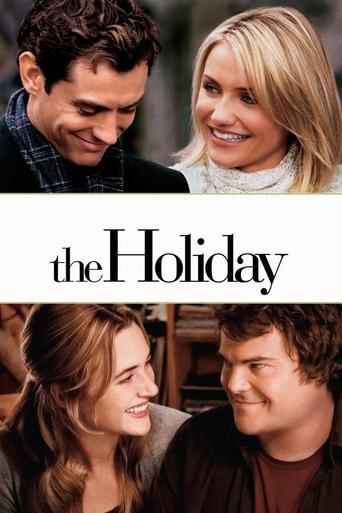
The middle of the week belongs to the love story, and Wednesday's shelf has seventy. The favourites lead: Notting Hill, in which a bookseller meets a film star across his own counter; The Holiday, in which two strangers swap houses and lives for a fortnight; and Hitch, in which a professional matchmaker loses his own composure. All three end well and leave time for an early night.
Wednesday is also a good evening for the quieter romances, when the house is calm and there is attention to spare. Before Sunrise is a single night of conversation in Vienna. One Day visits the same two people on the same date for twenty years, and Past Lives follows two childhood friends who meet again as adults on the far side of the world. They ask to be listened to, and repay it.
The bright end of the shelf is for weeks that need colour. Crazy Rich Asians is a family comedy on the scale of a royal wedding. To All the Boys I've Loved Before begins with five love letters posted by mistake. Mamma Mia! sings its way round a Greek island, and 27 Dresses, Bride Wars and My Big Fat Greek Wedding make cheerful chaos of the big day. The Wednesday page sorts the shelf by mood.
Thursday: adventure
By Thursday the weekend is in sight and the mind is ready to leave town. The shelf has sixty-three adventures, fantasies and science-fiction films. Jurassic Park is the giant among them, the most-watched film on the whole site and still the best argument for a large screen. Jumanji lets a jungle loose in a quiet house, and Back to the Future Part II visits a future of hoverboards.
Some adventures are made of wonder more than danger. Hugo hides an orphan among the clocks of a Paris railway station. The Secret Life of Walter Mitty sends a daydreamer to Greenland and Iceland for real. The Jungle Book of 2016 puts one boy among animals so lifelike that the eye forgets they were drawn.
The lighter adventures suit a Thursday when energy is short: Night at the Museum: Secret of the Tomb, Jungle Cruise, Journey to the Center of the Earth and 17 Again, in which a father becomes a teenager at his own children's school. Star Trek Beyond and TRON: Ares are there for viewers who like their journeys among the stars or inside a machine. The Thursday page maps the shelf.
Friday: family night
Friday is the evening the whole plan is built around. Sixty-one films suit every age, and the tradition of a family film at the end of the school week is one of the easiest and happiest a household can keep. Paddington is the ideal opener: funny for a five-year-old, witty for a parent and kind to everyone. Wonder is the one to choose when the family is ready to talk afterwards. Home Alone 2: Lost in New York belongs to December but works in any month.
For younger children the shelf has Christopher Robin, Stuart Little 2, Charlotte's Web and Flubber, all gentle and bright. Older children will ask for Jumanji, Hugo, The BFG and the three High School Musical films, and teenagers will tolerate a family night more readily if it is Hunt for the Wilderpeople or The Sandlot.
A few habits make Friday work. Let the children choose from a shortlist of three. Start early enough that the ending arrives before bedtime. Keep the same snacks every week, since ritual is the point. And when a favourite is requested for the fourth time, give in gracefully; a film watched many times in childhood becomes part of a family's private language. The Friday page sorts the shelf by age.
Saturday: crowd-pleasers
Saturday's shelf is the shortest and the simplest: the thirty films on the site that the largest number of viewers have seen and rated. They are the titles that fill a room with everyone agreed. Jurassic Park stands first, followed by Back to the Future Part II, The Social Network, Jumanji, A Beautiful Mind and Home Alone 2: Lost in New York. Groundhog Day, The Terminal, The Breakfast Club and Little Miss Sunshine are close behind.
These are the films to choose when friends are coming, when relatives are staying or when the household has little energy for a gamble. Most people in the room will have seen them, which is an advantage: a crowd-pleaser is enjoyed like a favourite song, for the parts everyone is waiting for. Mamma Mia! will be sung, Notting Hill quoted and Rain Man discussed.
The list changes slowly as new films find their audience. Jungle Cruise and The Kissing Booth are among the newer arrivals, proof that a Saturday favourite can come from a streaming service as easily as from a cinema. The Saturday shelf shows all thirty in order.
Sunday: the best
Sunday is kept for quality. Seventy-one films hold an average of seven or higher, and they make up the Sunday shelf. It is led by Wonder, Togo, Lion, Hachi: A Dog's Tale, Flipped, Before Sunrise and Jurassic Park, with CODA, A Beautiful Mind and Sing Street close behind. A Sunday film can be longer and deeper than a weekday one, since there is an afternoon to give it.
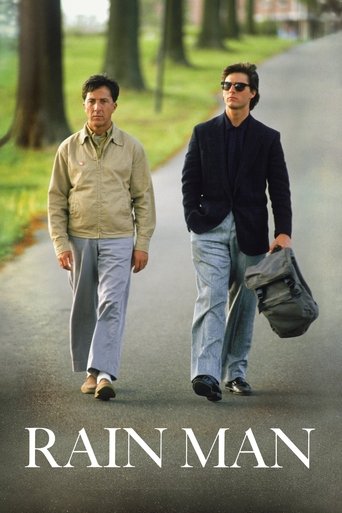
The day suits films that leave something to think about on Monday morning. Rain Man and Up in the Air are about men who learn, late, what matters. Belfast looks at a turbulent year through a child's eyes. Past Lives and Before Sunset are about time and the people we might have been. And for a Sunday with the whole family, Hugo and Paddington stand on this shelf as well as on Friday's. The weekend page covers both days.
Half a year, planned
The arithmetic of DailyFlix is deliberate. One film each evening for twenty-six weeks comes to 182, the number in the catalogue, so a viewer who followed the plan to the letter would see everything here in half a year. Few people will, and the point is otherwise: there is enough on every day's shelf that the plan can run for months before a title needs repeating. Monday alone could go two years on its own comedies.
The shelves overlap, which gives the planner room to breathe. A film such as Groundhog Day is a Monday comedy, a Wednesday romance, a Thursday fantasy, a Saturday crowd-pleaser and a Sunday best all at once, so it can be watched on whichever evening suits. Paddington belongs to Monday, Thursday, Friday and Sunday. If a day is missed, the film can usually move to another and the pattern holds.
A sensible approach is to plan one week at a time. On Sunday evening, open each day's shelf, choose one film and save it to My List. The list then holds the week ahead in order, and each evening needs only a glance. The planning ahead page describes the method step by step.
Theme weeks
Once the basic rhythm is familiar, a week can be given a theme of its own. A Tom Hanks week is easy to build: Big on Monday, The Terminal on Tuesday, Splash on Wednesday and Elvis, in which he plays the singer's manager, at the weekend. A Julia Roberts week might run from My Best Friend's Wedding and Notting Hill to Wonder, in which she plays a mother, and an eighties week has The Breakfast Club, Ferris Bueller's Day Off, Big, Rain Man and Splash to draw on.
Other themes follow the calendar. In the week of the second of February, Groundhog Day chooses itself. The week of the fourteenth has Valentine's Day and the whole Wednesday shelf. A school-holiday week can be all family films, a graduation week might include High School Musical 3: Senior Year and Eighth Grade, and December has a shelf of its own.
A theme can also be a place. A London week would take in Paddington, Notting Hill, About a Boy and Bean. A New York week has Elf, Home Alone 2: Lost in New York, Big, Hitch and Serendipity. A week on the road could follow the yellow bus of Little Miss Sunshine, the food truck of Chef and the brothers of Rain Man across America. The search field makes such weeks quick to assemble.
Bending the rules
A plan is a servant. If Monday has gone well and laughter feels unnecessary, borrow from Sunday. If a Wednesday finds the household in a silly mood, take a comedy that happens to be a romance, of which the shelf has dozens. The days are suggestions about mood, and the best judge of mood is the person holding the remote control.
Some evenings are short. For those, look at the running time on the film page: several of the comedies and family films run for an hour and a half or less, Stuart Little 2, Liar Liar and Bean among them. Other evenings are long, and suit Elvis, A Complete Unknown or Rain Man, which pass two hours and earn it. A plan that respects bedtime is a plan that lasts.
And some weeks are simply too busy. Skip with a clear conscience and start again on any day; the week strip on the home page is always there. The only rule worth keeping is the one about Friday, since children remember.
The extra shelves
Beyond the seven days, DailyFlix keeps a few shelves for particular moods. Drama has seventy-nine films for an evening that wants a proper story whatever the day: The Social Network, Rain Man, Wonder, CODA, I Am Sam, Up in the Air, Belfast and Eighth Grade among them. The drama page groups them by theme.
Music has twenty-five films. Mamma Mia! and its sequel are the sing-alongs. The three High School Musical films and the Pitch Perfect 2 and Pitch Perfect 3 sequels keep younger viewers on their feet. Ray, Elvis and A Complete Unknown tell the lives of three singers, and Sing Street, CODA and August Rush find music in a Dublin school, a fishing family and a boy's imagination. The music page suggests where to begin.
Christmas has twelve films, enough for the twelve evenings before the day itself. Elf, Home Alone 2: Lost in New York and National Lampoon's Christmas Vacation are annual rituals in a great many homes. The Holiday and While You Were Sleeping are the romantic choices, The Christmas Chronicles and The Santa Clause 2 put Santa on screen, and Jingle All the Way is for every parent who has left the shopping late. The Christmas page puts them in order.
Era by era
The catalogue can be browsed by date as well. Thirty-three films were made before 2000, and they include many of the most durable: The Breakfast Club, Big, Rain Man, Groundhog Day, Jurassic Park, Jumanji, Liar Liar and Notting Hill. A week drawn only from this shelf has the pleasant feel of an old video shop.
The 2000s have fifty-three films, strong in romance and family comedy: A Beautiful Mind, Elf, Hitch, The Holiday, Little Miss Sunshine, Mamma Mia! and Marley & Me. The 2010s are the largest group, with seventy-seven, from The Social Network and Hugo to Paddington, Lion, Wonder and Crazy Rich Asians. The 2020s already contribute nineteen, including CODA, King Richard, Elvis, Past Lives and The Fall Guy. The era by era page picks four from each period.
A plan for every household
The same seven days suit very different homes. A family with young children will lean on Friday and treat the other evenings as optional, perhaps adding a Sunday afternoon film in winter. For them the Friday shelf of sixty-one is the heart of the site, and Paddington, Christopher Robin, Charlotte's Web and The Jungle Book will see heavy use.
A couple may keep two evenings, Wednesday for romance and Saturday for something both already love. A good custom is to take turns choosing, with the rule that the other person agrees to watch quietly for twenty minutes. Before Sunrise, The Holiday and Crazy Rich Asians tend to survive the test.
Someone living alone can follow the whole plan and enjoy the company it provides. Monday's comedy and Tuesday's true story give shape to the working week, and Sunday's film is a small ceremony. For students sharing a house, Saturday is the natural night, and the crowd-pleasers were more or less invented for a full sofa. And grandparents minding children after school will find the Friday shelf just as useful on a Tuesday.
Making an evening of it
A film is better with a little ceremony. Decide the starting time in the morning. Put telephones in another room, or at least face down. Dim the lights, since most films are photographed to be seen in the dark. If food is involved, match it to the day: something quick on Monday, a proper supper before the Wednesday film, pizza on Friday because Friday has always meant pizza.
Afterwards, talk for five minutes. What was the best scene? Who would you cast in a new version? Would you watch it again? Families who do this find that children become sharper, more generous viewers, and couples find that they remember the films of a year far better. A notebook by the sofa with the date, the title and a mark out of ten is an old-fashioned idea that works.
The plan through the year
A weekly rhythm sits inside a yearly one, and the catalogue has films for each season. In the dark evenings of January and February, lean on comedy and comfort: Groundhog Day in its proper week, Paddington on a wet Friday, The Holiday while there is still frost. Spring is the time for fresh starts and outdoor adventures, for The Secret Life of Walter Mitty, Hunt for the Wilderpeople and Flipped.
Summer evenings are short and warm, and suit films with sunshine in them: Mamma Mia!, The Way Way Back, The Sandlot, Chef and Crazy Rich Asians. The school holidays double the usefulness of the Friday shelf, which can supply an afternoon film on any day. Autumn brings the return to routine and is the season when the plan works best; it is also the right time for campus and school films, from The Breakfast Club to The Social Network.
December needs little planning. The Christmas shelf has twelve films, the Friday shelf has more that suit the season, and While You Were Sleeping and Elf can be watched every year for life. A household that keeps the same three December films in the same order has given itself a tradition at very small cost.
Your first week
For a first week on the plan, here are seven films that almost everyone enjoys. Monday: Groundhog Day. It is the right film for the day and one of the best comedies ever made. Tuesday: Cool Runnings, a true story with a grin. Wednesday: Notting Hill, the standard by which modern romances are measured.
Thursday: Jurassic Park, with the sound turned up. Friday: Paddington, with everyone on the sofa. Saturday: The Social Network, which a full room can argue about for an hour afterwards. Sunday: Lion, kept for the afternoon, with tissues within reach.
That is seven evenings, seven kinds of feeling and about fourteen hours in all. If the week goes well, the second might be Elf, Moneyball, The Holiday, Jumanji, Wonder, A Beautiful Mind and Before Sunrise, and by the third you will be choosing for yourself.
Films that follow one another
A plan across weeks allows something beyond a single evening: stories that continue. Before Sunrise can be followed a week later by Before Sunset, set nine years on. Mamma Mia! leads to Mamma Mia! Here We Go Again. The three films that begin with To All the Boys I've Loved Before fill three Wednesdays, and the three High School Musical films three Fridays.
Jumanji and Jumanji: The Next Level make a pair of Thursdays twenty-four years apart in the making. Daddy's Home and Daddy's Home 2, Cheaper by the Dozen and its sequel, and Pitch Perfect 2 and Pitch Perfect 3 do the same for Mondays. There is a particular pleasure in looking forward for seven days to the next chapter, which is how audiences once followed serials at the cinema.
Pairs can also be made by idea. Watch Steve Jobs one Tuesday and The Social Network the next, two portraits of founders written by the same hand. Put Big and 17 Again on consecutive Thursdays, one about a boy who becomes a man overnight and one about a man who becomes a boy. Or follow Marley & Me with Hachi: A Dog's Tale, if the household can bear it.
Faces of the week
A hundred and fifty directors made these films, and a few names turn up on more than one day. Steven Spielberg has Jurassic Park on Thursday and The Terminal on Tuesday's fringe, with The BFG for Friday. Ron Howard directed A Beautiful Mind and Splash, Jon Favreau Elf, Chef and The Jungle Book, and Richard Linklater the two conversation films. John Hughes wrote and directed The Breakfast Club and Ferris Bueller's Day Off and wrote the December favourites that end the decade.
The actors are familiar company. Tom Hanks, Julia Roberts and Robin Williams each lead four or five films. Will Ferrell is an elf and a stepfather, Jim Carrey a lawyer and a man with six penguins, Eddie Murphy a doctor who hears animals and a father running a nursery. Hugh Grant stammers charmingly through three romances, and Dwayne Johnson explores a jungle, an island and a board game. Typing a name into the search field gathers that actor's films from every day of the week.
Twelve reasons to press play
For the evening when even a shelf feels like too much choice, here are twelve films and a single reason for each. Groundhog Day: because it is funnier each time. Jurassic Park: for the first sight of the herd on the plain. Notting Hill: for the walk through the seasons along a market street. The Social Network: for the speed of the talk. Paddington: for the bathroom scene.
Little Miss Sunshine: for the final dance. Rain Man: for the two brothers in a telephone box. Lion: for the reunion. Wonder: for the last day of school. Big: for the giant piano. CODA: for the song in the back of a pick-up truck. Elf: for the revolving door. Any of them will do on any day, and each is one search away.
Films worth a second look
A planner invites return visits, and some films improve with them. The comedies of the 1980s and 1990s are funnier when the lines are half known. The Breakfast Club reads differently at forty than at fifteen, when sympathy shifts a little towards the teacher. Big is a comedy for a child and something more wistful for an adult.
Others reveal their craft only the second time. The Social Network is so quick that a first viewing catches perhaps two thirds of it. Hugo hides the history of early cinema in its backgrounds. Before Sunrise changes entirely once you know what follows nine years later. Give a favourite its own slot once a season; the plan has room.
What is new on the plan
Nineteen films come from the present decade, and they keep the days fresh. CODA, the story of a singer in a deaf fishing family, is a Tuesday, Wednesday and Sunday film all at once. King Richard and Air are new true stories. The Fall Guy is a Monday comedy with stunts, Jungle Cruise a Thursday adventure, and IF a Friday film about imaginary friends.
Elvis and A Complete Unknown bring two musical lives to the screen. Past Lives is the quiet masterpiece of recent years, and Love Hard and the later chapters of two streaming romances keep Wednesday light. As new films earn their audience they will join the shelves, and the Saturday list in particular will shift. The 2020s shelf shows the newest arrivals.
Fewer films, better watched
There is a quiet argument inside this site. Streaming has made it possible to watch anything at any moment, and many people have found that the result is watching a little of everything and finishing very little. A plan of one film an evening, chosen in advance, is a small act of resistance. It says that tonight's film deserves to be seen from the first frame to the last, with the lights down and the telephone away.
The films on DailyFlix were picked to reward that kind of attention. They are complete stories with endings, made by people who expected an audience to sit still for two hours. Rain Man takes its time over six days on the road. Up in the Air lets silences do their work. Even a comedy as light as Elf is carefully built, each joke prepared by an earlier one, and it is funnier seen whole than in clips.
One film a day is also a kindly limit. It leaves the evening room for supper, conversation and sleep, and it turns the film into the centre of the night instead of its wallpaper. Viewers who try the plan for a month often report that they watch fewer hours than before and remember far more of them.
If you only have weekends
For many households the weekdays are simply full. The plan shrinks neatly to three evenings. Friday keeps its family film. Saturday takes a crowd-pleaser, or borrows from Thursday's adventures for a livelier night. Sunday is for the best, and since the Sunday shelf overlaps with every other day it can stand in for whichever weekday mood was missed: a true story such as Lion, a romance such as Before Sunrise, a comedy such as Little Miss Sunshine.
Three films a week is still a hundred and fifty a year, more than most people manage. A weekend-only plan drawn from the Friday, Saturday and Sunday shelves alone would last for the best part of twelve months before repeating, and the repeats would be welcome ones.
A shelf for a rainy day
Every plan needs a reserve. For the wet Saturday afternoon, the day off sick or the evening when plans fall through, it helps to have a few films already saved. A good rainy-day list has one of each kind. A comedy that is certain to lift spirits, such as Liar Liar or Bean. An adventure to lose yourself in, such as Jumanji or Night at the Museum: Secret of the Tomb. A romance for comfort, such as While You Were Sleeping or Serendipity. And something for the children, such as Charlotte's Web or Stuart Little 2.
Keep the list in My List beneath the week's seven, and top it up when one is used. It takes five minutes to prepare and saves an afternoon of indecision at exactly the moment when patience is shortest.
What each day gives you
After a few weeks the days begin to feel different from one another, which is the plan's real reward. Monday's comedy becomes a small consolation for the start of the week, something to mention to colleagues the next morning. Tuesday's true story leaves a fact or a name that sends people to look things up: how fast a sled dog can run, how a windmill charges a battery, what became of the real people.
Wednesday's romance softens the middle of the week, and it is a rare household that fails to be pleased by a happy ending. Thursday's adventure is a rehearsal for the weekend. Friday is noise, popcorn and negotiation, Saturday is company, and Sunday, with its better films and longer afternoons, sends everyone into the new week a little steadier.
That variety matters more than any single title. A diet of only comedies or only dramas grows dull, as any diet does. Seven kinds of film in rotation keep each one fresh, and the catalogue of 182 is simply the larder from which the week is cooked.
Bringing children into the plan
Children take to a film planner with enthusiasm, because it gives them a say. A simple method is to let each child own one Friday a month, choosing from the family shelf. The choices will be revealing. Some children return to the same three films; others work their way along the shelf like collectors.
As they grow, widen their territory. A ten-year-old who has loved Jumanji and Hugo is ready for a Thursday adventure with the adults. A twelve-year-old can join a Tuesday for Cool Runnings or Eddie the Eagle, and a teenager will often surprise a parent by asking to stay for The Social Network or A Beautiful Mind. A plan that began as a way to manage Friday nights can end, years later, as the thing a family remembers doing together.
A month on the plan
To show how the weeks fit together, here is a full month drawn from the shelves, with a different flavour each week. The first week is the classic one already described. The second leans towards the 2000s: Elf on Monday, Moneyball on Tuesday, The Holiday on Wednesday, Jumanji on Thursday, Wonder on Friday, A Beautiful Mind on Saturday and Before Sunrise on Sunday.
The third week goes travelling. Mr. Bean's Holiday crosses France on Monday. The Boy Who Harnessed the Wind is set in Malawi on Tuesday. Wednesday visits Singapore with Crazy Rich Asians, Thursday Iceland with The Secret Life of Walter Mitty, Friday London with Paddington, Saturday a Greek island with Mamma Mia! and Sunday the New Zealand bush with Hunt for the Wilderpeople.
The fourth week is for music and feeling. Pitch Perfect 2 opens it, Ray follows, Sing Street supplies the romance, Hugo the wonder, High School Musical the family night, Rain Man the crowd-pleaser and CODA the Sunday best. That is twenty-eight films in twenty-eight evenings with hardly a repeated mood, and it uses less than a sixth of the catalogue.
Things to talk about afterwards
Half the value of a shared film is the conversation it starts, and each day's theme suggests its own questions. After a Monday comedy, ask which joke each person would steal. After a Tuesday true story, ask what the film probably changed or left out, and look it up together. After Wednesday's romance, ask whether the couple would last, a question that divides every sofa.
Thursday's adventures invite a simple one: would you have gone through the door, rolled the dice, stepped into the time machine? Friday's family film belongs to the children, who should be asked first and listened to. On Saturday, with a crowd-pleaser everyone knows, the game is to name the scene you had forgotten. And Sunday's film usually leaves its own question behind, which is the mark of a good one.
A household that talks for five minutes after each film is getting far more from the plan than one that reaches straight for the next episode of something else. It costs only a moment, and it is the difference between having seen a film and having shared it.
A plan to give away
A week of films makes a pleasant present. Choose seven titles for a friend who has just moved, a relative recovering from an illness or a couple with a new baby and evenings suddenly spent at home. Pick with the person in mind: a comedy they will know, a true story from a field they love, a romance from the decade they were young in, an adventure for the child in the house. Save the seven in My List, use the list page to keep a copy as a file, and send it with a line about why each one was chosen.
The same method works for visiting grandparents, for a teenager leaving for university with a laptop and a small room, and for oneself at the start of a long winter. A list made with care says that someone has thought about how another person's evenings might be spent, and the films do the rest. DailyFlix holds enough well-loved titles that every such list can differ from the last, and the search field and the seven daily shelves make each one the work of a quarter of an hour.
However it is used, as a strict timetable, a weekend habit or a present for somebody else, the idea underneath is the same: decide once, calmly, and enjoy the evenings as they come. The week strip at the top of the home page is always ready with seven suggestions for anyone who would like the deciding done for them.
Using DailyFlix
The page is arranged like a calendar. The teal bar at the top carries the name, links for the days and a search field. Beneath a short introduction comes the week strip: seven columns from Monday to Sunday, each with the day, its theme and one suggested film. Pressing a day's name jumps down to its panel, where five more films are shown beside a button that opens the whole shelf with its count. The panels follow the week in order, so scrolling the page is like turning the pages of a diary.
Each film has a page of its own, opened from any poster. It gives the title with the year, the length and the rating, then the people who made it and a brief description. Underneath, a country menu sits beside the Watch now button; choose where you are and JustWatch takes over, listing the services that have the film there. The other button, Add to My List, is the planner's tool: save one film for each day and the My List link in the teal bar becomes your week. Entries are stored in the browser you are using and can be removed one at a time, and the list page can write them to a file. The My List page has the details.
Keeping it going
The best plans are light. If a full week feels like a commitment, begin with two fixed evenings, Friday for the family and one other of your choosing, and add days as the habit settles. Let the themes do the choosing and keep your own decision to a single film. When a week is missed, begin again on whatever day it happens to be.
After a month, look back at what was watched. Most households find a pattern they had only half noticed: a liking for true stories, a fondness for one actor, a child who has quietly become an expert on the 1990s. Follow it. The shelves are large enough to indulge a taste for a long time, and the point of a planner is to make room for pleasure, which is a serious business in its small way.
Questions and answers
The questions below are those most often asked about DailyFlix, with short answers. Fuller help is on the help pages named throughout this guide, including the how to watch page.
Questions
What is DailyFlix?
DailyFlix is a weekly planner of 182 well-loved films made between 1984 and 2025, sorted by the day of the week they suit, each with a Watch now button to official services.
How does the week work?
Monday is comedy, Tuesday true stories, Wednesday romance, Thursday adventure, Friday family night, Saturday crowd-pleasers and Sunday the highest rated.
Why 182 films?
Seven films a week for twenty-six weeks is 182, one for every evening for half a year.
Can a film belong to more than one day?
Yes. Many films sit on several days' shelves, so they can be watched on whichever evening suits.
Is the catalogue suitable for families?
Yes. The selection favours comedy, romance, family stories and uplifting drama, and sixty-one films sit on the Friday family shelf.
How do I plan my own week?
Save one film from each day's shelf with Add to My List; the list then holds your week in order.
Where is My List kept?
In your own browser on your own device, and the list page can save a copy as a file.
Does DailyFlix host films?
DailyFlix is a guide only. Every Watch now button opens JustWatch, which lists the official streaming, rental and purchase services for your country.
